Functions of Computer Hardware Components
Understanding the essential roles of major computer hardware parts is key to grasping how modern systems operate. From processing data to storing information, each component performs unique functions to power devices effectively and efficiently.
Central Processing Unit (CPU)
The CPU acts as the brain of the computer, executing instructions from programs and coordinating tasks. It performs operations such as arithmetic, logic, control, and input/output processing, enabling the system to run applications and manage resources.
Random Access Memory (RAM)
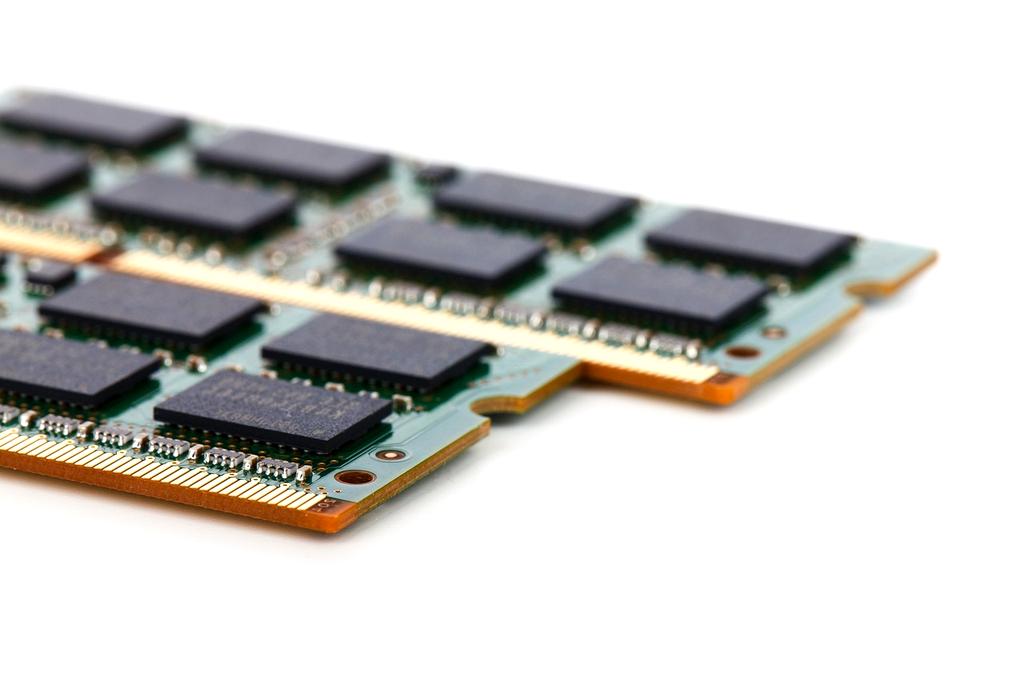
RAM provides fast, volatile storage for the data and instructions currently in use by the CPU. It allows quick read and write access, facilitating smooth multitasking and efficient program execution by temporarily holding active information.
Motherboard
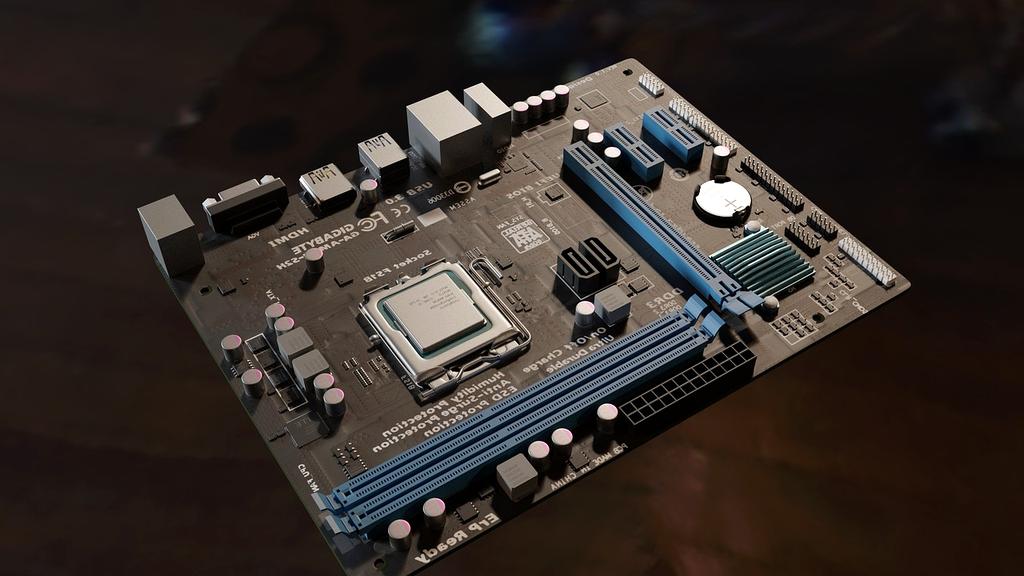
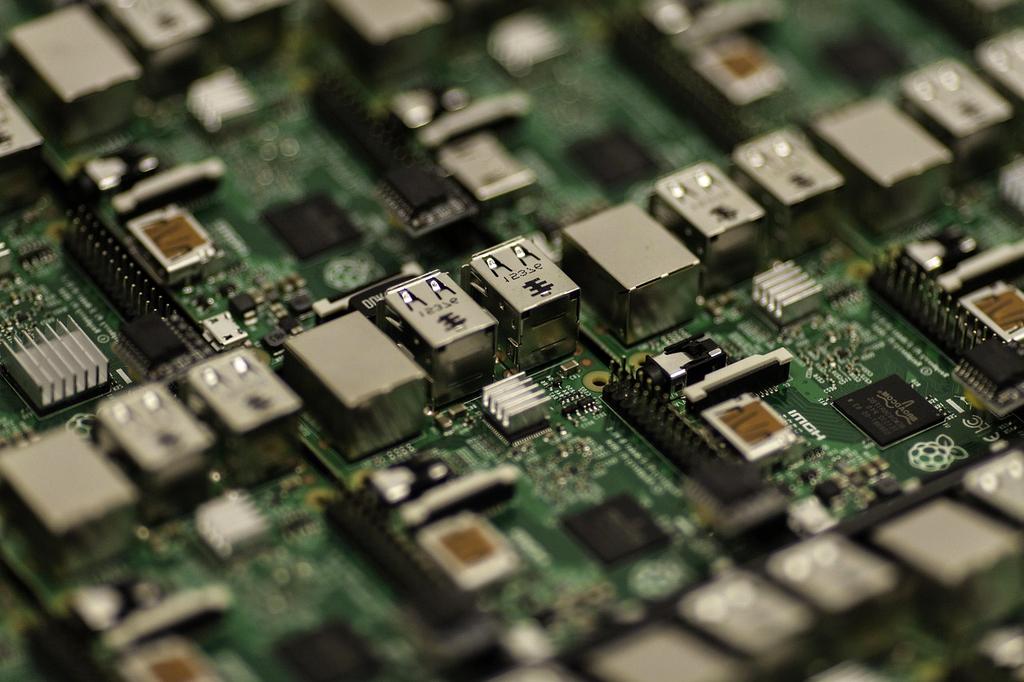
The motherboard is the main circuit board connecting all hardware components. It provides communication pathways, power distribution, and slots for expansion cards and memory. It also hosts the BIOS/UEFI firmware essential for system startup and configuration.
Storage Devices
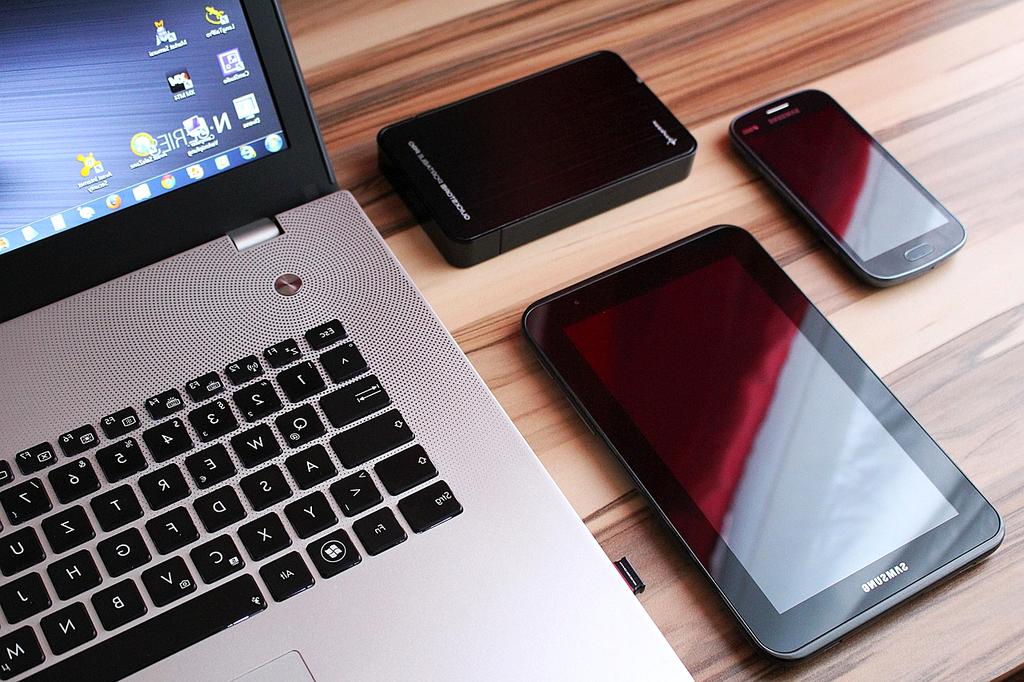
Storage components such as hard drives (HDDs) and solid-state drives (SSDs) provide persistent data storage, retaining information even when powered off. They house the operating system, applications, and user files, ensuring data is preserved over time.
Graphics Processing Unit (GPU)
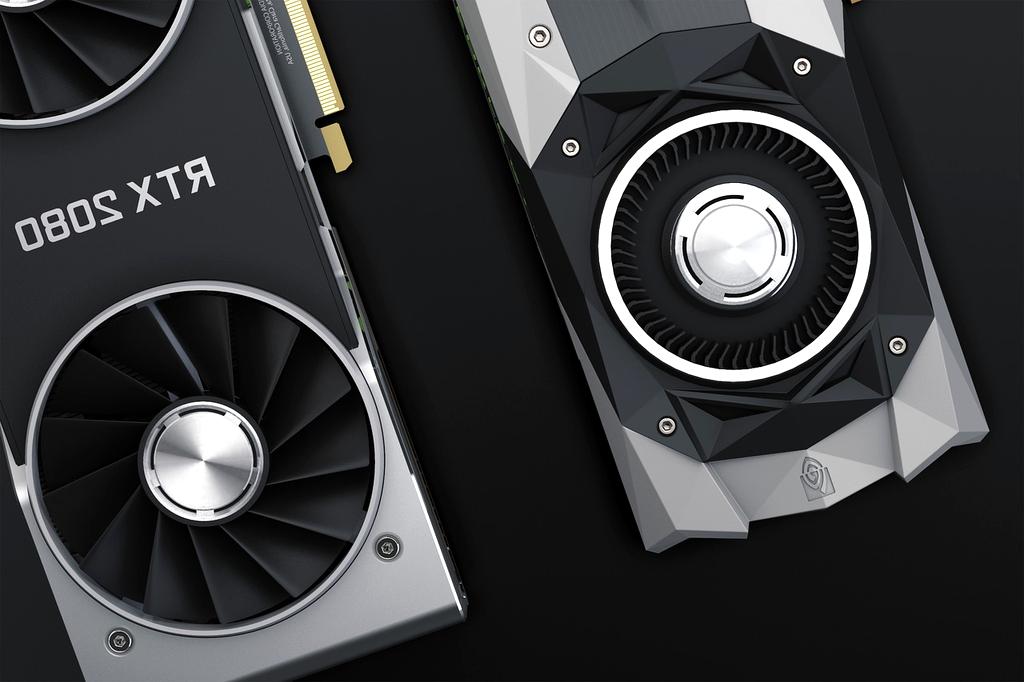
The GPU specializes in rendering images, video, and animations by performing parallel processing of graphics data. It enhances visual performance for gaming, design, and computing tasks that require extensive graphical calculations.

Power Supply Unit (PSU)
The PSU converts electricity from an outlet into usable power for the computer’s internal components. It regulates voltage and current to ensure stable and safe operation of all hardware parts within the system.
Order Custom Hardware Solution
Get personalized quantum computing and biometric security systems tailored to your specifications